From goals to action – inside the TCO Certified Roadmap
What we need is clear, actionable direction that supports both brands and purchasers in driving long-term sustainability.


What we need is clear, actionable direction that supports both brands and purchasers in driving long-term sustainability.

IT products often have a short lifespan. Learn how to avoid purchasing products that are difficult or impossible to repair.

To reduce the environmental impact, TCO Development's CEO Sören Enholm has used his computer for ten years.

We have a global increase in the standard of living and the consumption of products is escalating to record levels.

How can principles of circularity be implemented into the procurement and use of notebook computers? How can you cut greenhouse gas emissions and save money at the same time? We’ve listened to experts in the field and analyzed the data. Here you’ll find practical, science-based advice on key considerations such as extending product life, energy

Circular economy is a way of making ends meet. The logic is simple — it means that we use natural resources responsibly so we don’t risk exhausting them.
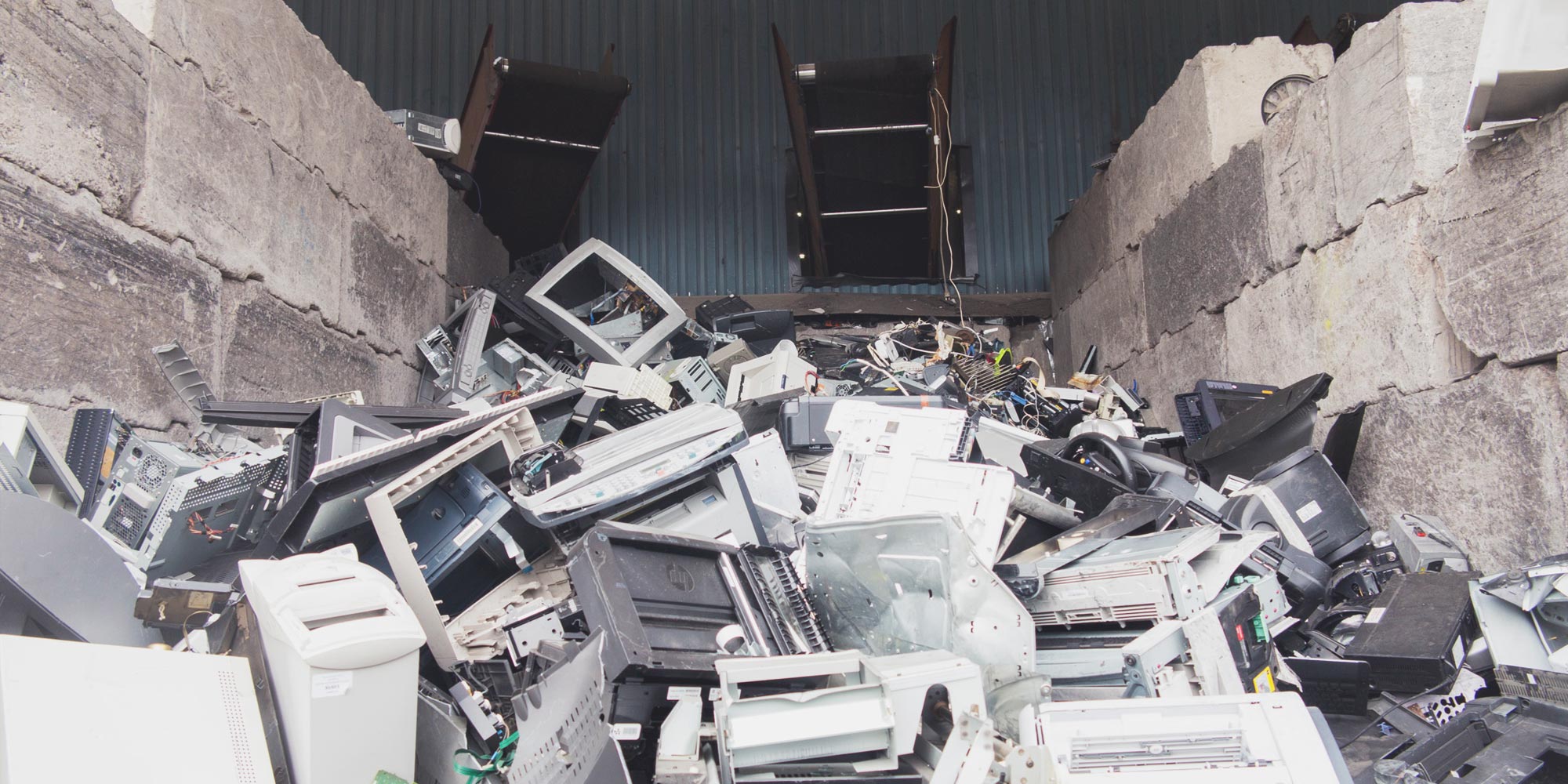
In a new report released by the United Nations University, global electronic waste has reached record high levels. 41.8 million tons of e-waste was generated in 2014, fuelling concerns about the growing risks to public health, resource conservation and the environment.