THE FOCUS AREAS OF TCO CERTIFIED

Explore the challenges and solutions shaping sustainable IT
Focus areas

Climate

IT products contribute to climate change, particularly during manufacturing. Longer product lifespans, energy efficiency, and renewable energy can reduce their impact. Explore insights and solutions for more climate-conscious IT choices.
THE ISSUE

Smart choices reduce the climate impact of your IT use

IT products contribute to the climate crisis through emissions across their life cycle. Effective methods to reduce climate impact are already available.

WHAT & HOW

Climate and IT products

Explore the relationship between IT products and climate impact, and get practical tips for achieving measurable reductions throughout the product lifecycle.

SPOTLIGHT ARTICLE

Roadmap focus: Climate – new incentives for lower emissions

Our latest generation takes a major step toward reducing climate impact. Niclas Rydell, director of TCO Certified, explains the key updates.

CALCULATE

Extend the life of your notebook – and cut emissions in half

Extend the life of your notebook – and cut emissions in half

Keeping your notebook computer longer helps reduce your carbon footprint. Check your impact in our calculator.

ROADMAP

What's next for climate?

What’s next for climate sustainability in TCO Certified

Climate change is becoming increasingly severe, evident through extreme weather events, rising sea levels, and damage to both nature and people.

Substances

Hazardous substances in IT products threaten human health and the environment. Safer alternatives and greater transparency help reduce these risks. Explore insights and solutions for safer chemical management.
THE ISSUE

Hazardous substances in IT products — and how to avoid them

Many chemicals used in the IT industry have unknown risks. As legislation lags behind, substances need to be assessed before they are used.

WHAT & HOW

Substances and IT products

Substances and IT products

Hazardous substances can be complex, but getting started is easier than you think. Our guide covers the basics and offers tips to reduce risks when buying or using IT products.

SPOTLIGHT ARTICLE

Chemical safety: How we achieved what others claimed was impossible

Chemical safety: How we achieved what others claimed was impossible

By challenging conventional methods and doing the opposite of everyone else, we created a powerful tool for chemical safety.

SPOTLIGHT ARTICLE

Safer chemicals: why TCO Certified goes further than ECHA’s 5 step model

Safer chemicals: why TCO Certified goes further than ECHA’s 5 step model

Here, you'll learn how to use TCO Certified as verification of proof, with results that go above and beyond ECHA's model.

ROADMAP

What's next for supply chain?

What’s next for substances in TCO Certified

The common approach of banning substances only after they are identified as hazardous is not adequate, as regulatory measures lag behind and do not keep pace with the number of chemicals entering the market.

Circularity

IT products consume valuable resources and generate e-waste. Longer lifespans, repair, and reuse help reduce environmental impact. Explore insights and solutions for a more circular IT industry.

THE ISSUE

Circularity helps you tackle many of today’s sustainability risks

By using products longer and enabling the circulation of products and materials, we can reduce environmental impact and conserve natural resources.

WHAT & HOW

Circularity and IT products

Circularity and IT products

This comprehensive guide explores the concept of circular IT, providing actionable insights to help you extend the lifespan of products, reduce e-waste, and lower your climate impact.

OUR APPROACH

How TCO Certified helps IT products remain in use for longer

How TCO Certified helps IT products remain in use for longer

Keeping IT products in use longer reduces their overall sustainability impact. Learn how TCO Certified supports product longevity.

IMPACT

TCO Certified Impact 2026: Improving traceability for more circular IT

TCO Certified Impact 2026: Improving traceability for more circular IT

Better traceability is becoming a reality for certified IT products. More than 300,000 configurations now have standardized identifiers.

ROADMAP

What’s next for circularity in TCO Certified

What’s next for circularity in TCO Certified

To reduce the environmental impact and secure the supply of essential materials, we must extend the lifespan of products and build truly circular flows of products and materials that are recovered and reused.

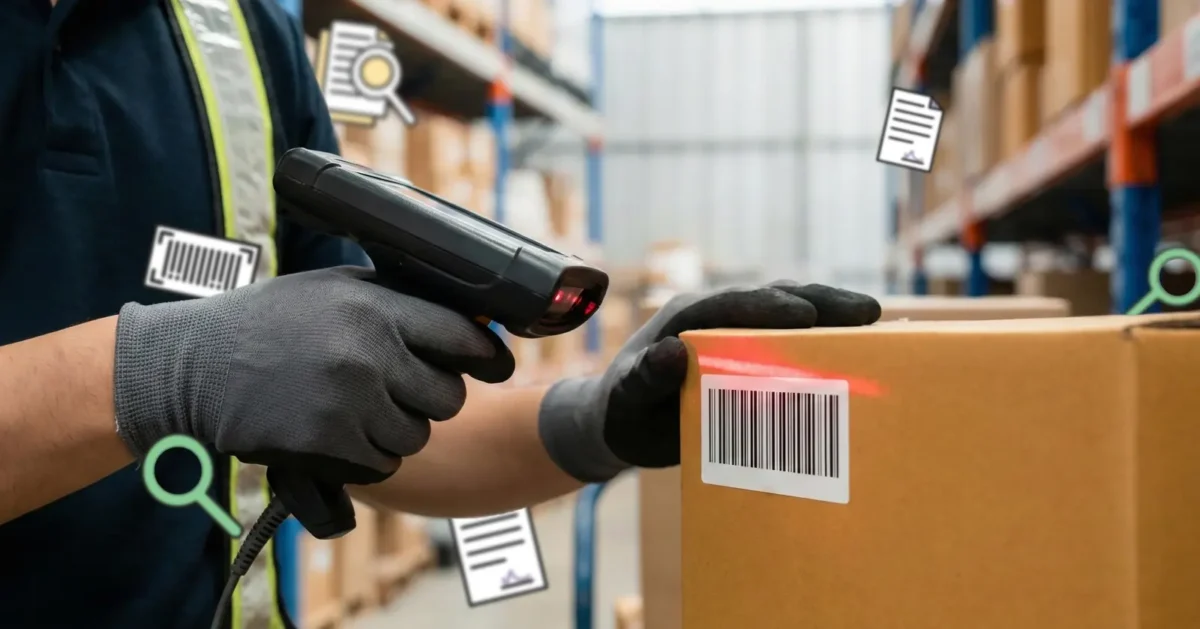
Supply chain

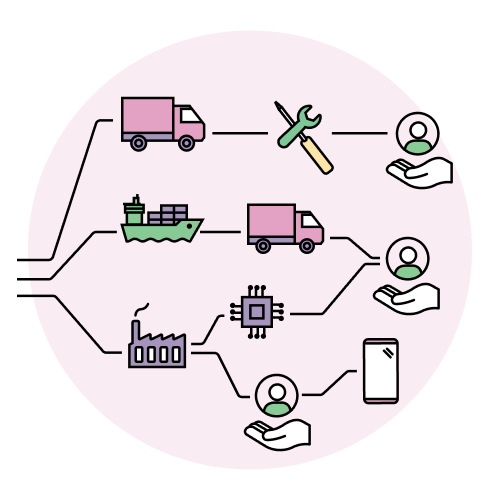
IT products are made in complex supply chains where workers face risks such as excessive overtime, unsafe conditions and forced labor, alongside pollution and resource overuse. Regular factory audits, strict follow-up and accountability help drive lasting change. Explore insights and solutions for a more responsible IT supply chain.
THE ISSUE

Protecting workers and the environment in the IT supply chain

Significant environmental and social risks occur in IT supply chains. Strict follow-up and accountability are needed to drive positive change.

WHAT & HOW

The supply chain of IT products

The supply chain of IT products

This guide explains what’s needed to build a sustainable IT product supply chain. It offers insights and tools that help you source products responsibly and support practices that protect workers and the environment.

OUR APPROACH

How TCO Certified strengthens supply chain accountability

How TCO Certified strengthens supply chain accountability

TCO Certified Accepted Factory List turns sustainability criteria into action by increasing transparency and accountability in factories.

IMPACT

TCO Certified Impact 2026: Reducing corruption risk in IT supply chains

TCO Certified Impact 2026: Reducing corruption risk in IT supply chains

How our structured anti-bribery framework has helped 30 IT brand owners make real progress in their efforts to reduce corruption.

ROADMAP

What's next for supply chain?

What’s next for supply chain sustainability in TCO Certified

A systematic approach is necessary to drive lasting social and environmental change at the factory level and further up the supply chain.