IT manufacturing often takes place in regions where labor laws are weak or poorly enforced, and supply chains can be complex and difficult to monitor. This raises an important question: how can organizations be sure that sustainability requirements are actually being met in practice?
In this article, Stephen Fuller explains how TCO Certified tackles these challenges through independent verification, along with a system that combines accountability with incentives for more sustainable choices.
What’s the most important factor for driving supply chain sustainability?
I think the first thing to acknowledge is that identifying sustainability issues is nothing more than a starting point. In reality, almost every factory audit reveals some level of non-conformity. That in itself isn’t unusual. The critical question is what happens next. Are those issues actually fixed? And are they fixed in a way that lasts? Real progress comes from making sure problems are addressed — quickly, transparently and credibly — and that better practices are implemented.
How do you follow up on supply chain criteria in factories?
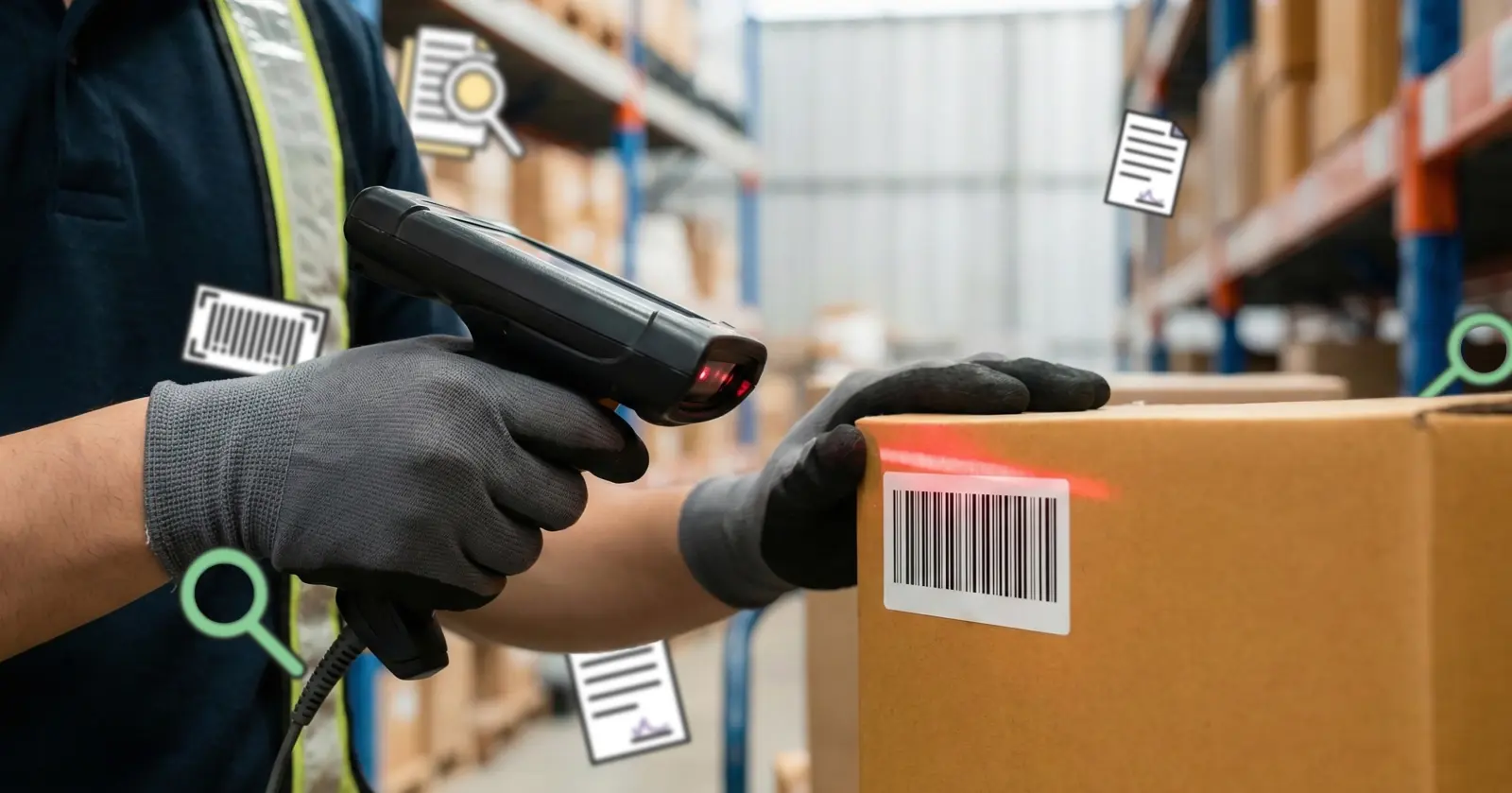
In TCO Certified, all criteria are mandatory, and compliance is always verified by independent experts. At factories manufacturing certified products, specialized auditors regularly carry out on-site inspections. These audits must meet RBA-VAP or SA8000 standards, which are multiday, on-site assessments carried out by qualified audit teams. The entire facility is in scope, including production areas, warehouses, offices and worker housing. Audits cover several control points across the key areas of labor, health and safety, environment, energy and management systems. If non-conformities to TCO Certified criteria are found, we require a corrective action plan and set a clear timeframe for resolving the issues.
The audit methodology is based on triangulation and root cause analysis. Auditors combine document and record reviews, interviews with workers and management, and on-site observations. This helps them identify whether non-conformities exist and, if so, why they occur. By assessing the underlying causes of a problem, the audit enables more effective and lasting corrective actions.

Stephen Fuller leads the development of supply chain and chemical management criteria for TCO Certified. He has worked with criteria development and verification methods in the IT sector for over 20 years.
If non-conformities remain, additional corrective actions are required within the defined deadlines until they are independently verified as closed. This ensures that non-conformities are not only addressed but also resolved at their root cause. To ensure compliance over time, independent auditors also carry out spot-check audits at selected factories.
What is TCO Certified Accepted Factory List?
TCO Certified Accepted Factory List is a structured system designed to drive continuous improvement in working conditions and environmental performance.
Over the years, we’ve seen that intense price competition, fragmented audit approaches and a lack of buyer leverage have led factory owners to view sustainability as a business disadvantage. That’s something we wanted to change. So, we developed a system that links sustainability performance to business opportunities.
With TCO Certified Accepted Factory List, factories that manufacture certified products are listed and assessed. Based on audit results and ongoing performance, each factory is given a risk category. Factories that show consistent compliance and improvement are considered lower risk. Those that require more time to resolve non-conformities are classified as higher risk and are followed up more closely, until improvements are achieved.
IT brands can access the list to track factory performance. If a factory isn’t improving, they can choose to move production elsewhere. This creates a clear incentive for factories to keep improving.
How can you ensure that independent auditors get access to factories?
Factory access is a fundamental requirement in TCO Certified. If independent, accredited auditors don’t get full access to a factory, that factory simply cannot manufacture certified products.
In the IT industry, audits are often managed internally by factory personnel or commissioned by individual IT brands, typically focusing on specific production lines. That can limit transparency and make it harder to identify systemic issues, as the scope and coverage can vary between factories, and are not always independently validated.
TCO Certified takes a different approach. Through TCO Certified Accepted Factory List, IT brands align around shared criteria and a common system for independent verification. By combining their leverage, they ensure that independent auditors can access factories and assess the entire operation, rather than just selected production lines.
How audits are carried out with TCO Certified
- Mandatory, not optional.
- Led by independent auditors specializing in social and environmental sustainability.
- Meets RBA-VAP or SA800 standards.
- Always on-site, in the factory.
- Covers labor, health and safety, environment, energy, management systems, and more.
What happens if a factory is no longer approved?
Factories must continuously meet the criteria in TCO Certified to stay on TCO Certified Accepted Factory List. If they fail to address non-conformities within defined timelines or to maintain the required level of compliance, they may be removed from the list.
If that happens, the factory is no longer allowed to manufacture certified products, and new certification applications involving that factory won’t be approved. IT brands must then take action, either by supporting rapid improvements at the factory or by moving production to another factory.
A removed factory can be listed again, but must first demonstrate improved performance and meet all requirements for re-entry, which must be proven in a new independent audit.
How many workers are impacted by TCO Certified criteria?
Today, around 275,000 workers across 180 factories are directly affected by the criteria in TCO Certified. This number is expected to grow as the system expands to more parts of the supply chain.
The supply chain system behind TCO Certified, including TCO Certified Accepted Factory List, has been developed over many years. Its coverage started with final assembly factories and has gradually expanded. In the latest generation of TCO Certified, display panel factories were also included.
Going forward, we’ll continue to expand our supply chain system further up the supply chain, focusing on high-risk areas for worker rights and environmental impacts. That means more workers will be covered, and more improvements can be made.
As more IT buyers use TCO Certified in procurement, more IT brands apply for certification — which also increases the number of factories and workers covered.

How do you ensure that products and factories continue to meet the criteria after certification?
Compliance with TCO Certified isn’t a one-off check — it is continuously monitored throughout the certificate’s validity period. Audits are made regularly, with compliance levels systematically and comprehensively assessed. Brand owners are required to submit updated audit documentation demonstrating improvements in corrective action plans. In addition, spot-check audits are conducted to validate maintained compliance and continued progress.
A factory’s ability to manufacture certified products depends on meeting these ongoing requirements — if a factory fails to address issues within defined timelines, it can be removed from TCO Certified Accepted Factory List. As a result, it will no longer be permitted to manufacture certified products, leading to direct business consequences since IT brands will be required to transfer these parts of their production to other factories that continue to demonstrate a more proactive approach to sustainability.
To sum it up, TCO Certified ensures that compliance is continuously monitored through updated data, independent verification, and clear consequences for non-compliance. For purchasers, this means compliance is actively maintained over time. By specifying TCO Certified, they don’t need to carry out their own follow-up, which reduces both risk and workload.
How can I check whether a product model is certified?
You can easily check this in Product Finder, which is our searchable registry of certified products. You can also ask your IT supplier to provide a valid TCO Certified certificate. Each certificate serves as proof of compliance and can be traced back to the signature of an independent verifier.