Forced labor, excessive overtime, conflict minerals, environmental damage – the most serious risks in IT manufacturing are often hidden deep in the supply chain, far from where products are sold and used. At the same time, IT brands hesitate to demand better practices from suppliers, fearing higher costs and less business.
Stephen Fuller, our expert on supply chain sustainability and social responsibility, explains TCO Certified’s current and upcoming efforts to address these challenges.
A question of leverage
With first-hand experience of factories across Asia and South America, Stephen Fuller has spent years tackling social and environmental challenges in IT manufacturing. For him, two issues stand out: the difficulty of seeing what’s actually happening deep in the supply chain – and the struggle to change it even when risks are known.
“Many brand owners say they simply don’t have enough leverage to demand better practices from suppliers,” says Stephen. Meanwhile, factory owners are reluctant to invest in sustainability improvements, worried that higher costs could mean less business.
Better practices, more business
To help address this, TCO Certified Accepted Factory List was introduced in 2018. The list categorizes factories manufacturing certified products based on their sustainability performance. Factories that are proactive in meeting TCO Certified criteria are placed in a low-risk category, while those with persisting issues are categorized as higher risk.
The result is a system that makes sustainability visible – and profitable. In practice, suppliers in the low-risk category have been shown to attract more customers, demonstrating that responsible operations are worth the investment.
“TCO Certified Accepted Factory List turns sustainability into a competitive advantage,” says Stephen. “At the same time, it strengthens IT brands’ influence over suppliers.”

Going further up the supply chain
TCO Certified has been working to improve social and environmental conditions in the IT industry since 1999.
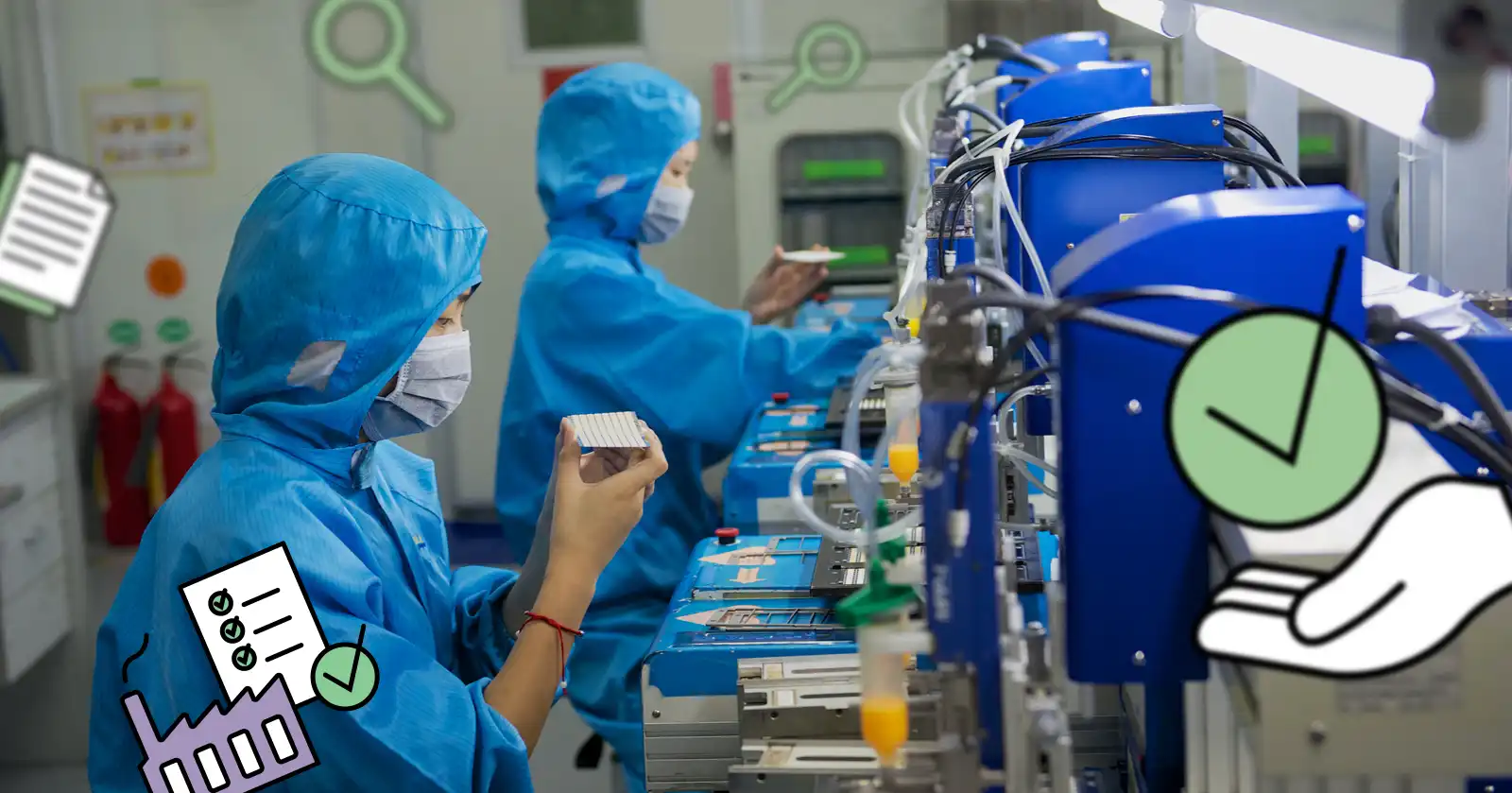
“After working so many years with final assembly factories, we feel we’re now in a position to go further up the supply chain,” says Stephen. “We started with display panel factories, where we demand the same level of compliance – audits, corrective action plans, and follow-up on both environmental risks and working conditions.”
The choice of display panel factories was a natural one. Large facilities, extensive chemical use, and a substantial product carbon footprint – up to 50% of that of the final product – mean that every improvement has significant potential impact. Most of these factories are directly contracted by IT brands, meaning they are already aware of social responsibility requirements and are often well-equipped to meet them. Many are also familiar with TCO Certified through its visual ergonomics criteria, making onboarding smoother.
PCB mainboard factories are next in line, with upcoming stricter requirements for environmental and energy management, working conditions, and health and safety.
Toward responsible sourcing
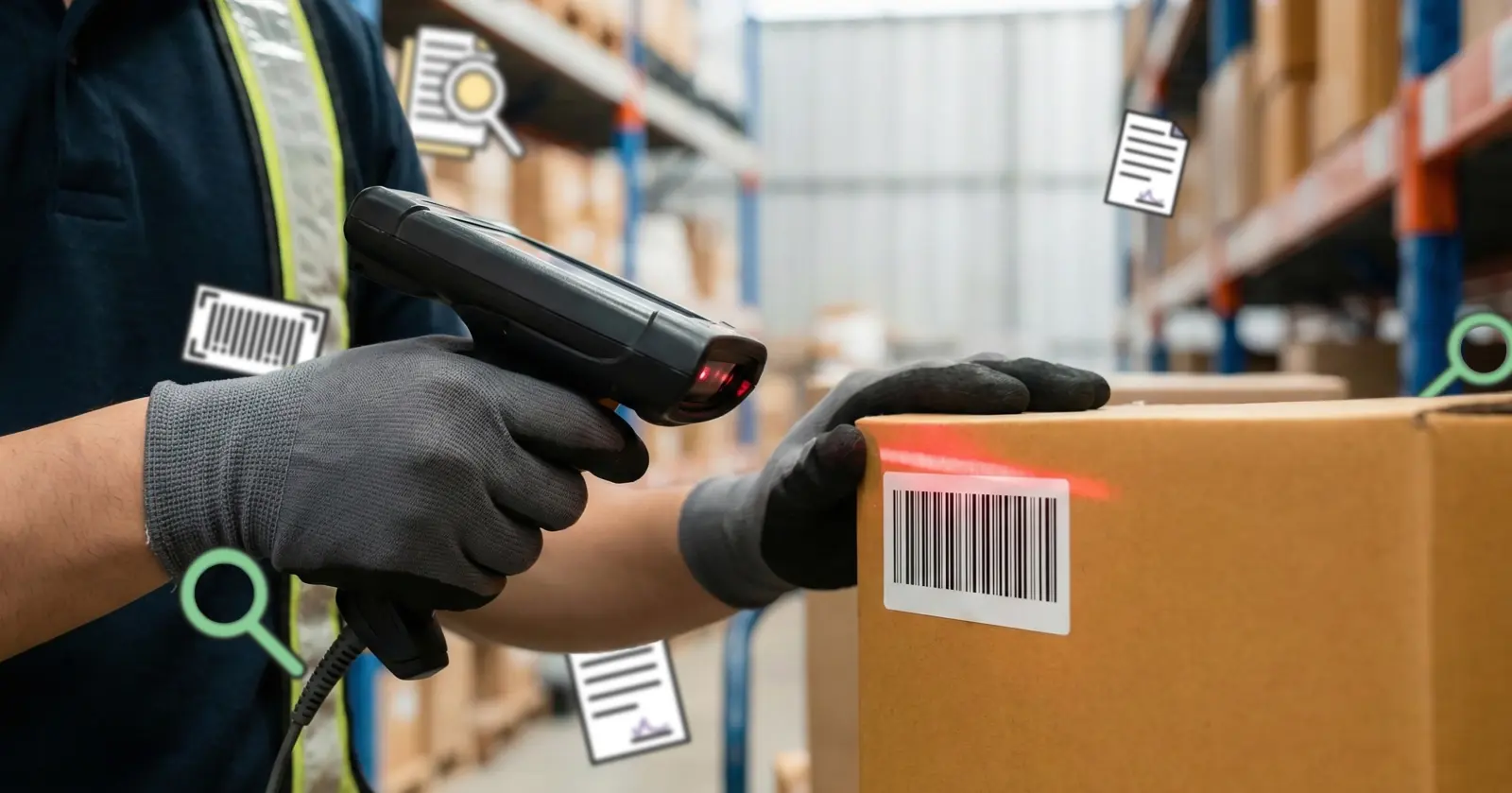
The challenges don’t stop at factories. Many essential IT materials come from mining regions with histories of conflict, worker exploitation, and environmental damage. Since 2015, TCO Certified has required brands to map their supply chains and ensure that smelters and refiners follow responsible sourcing standards.
“The first challenge we faced when looking at minerals was that many Asian brands weren’t as engaged in conflict mineral issues as American brands, who were influenced by regulations like the Dodd-Frank Act,” Stephen explains. “With stricter requirements, we were able to bring more Asian brands on board.”
TCO Certified’s criteria include strict due diligence requirements on conflict minerals such as tin, tantalum, tungsten, and gold (3TG), as well as cobalt, to ensure more suppliers meet sustainability benchmarks. At the same time, there’s a growing push to increase the use of recycled materials.
“We’re looking at how to encourage recycled materials in mineral sourcing,” says Stephen. “Identifying smelters that work with recycled scrap is an important step toward making IT products more sustainable.”
From ambition to action
Improving supply chain sustainability is an ongoing process that takes monitoring, collaboration, and increasingly ambitious criteria. In the coming years, this will mean stricter requirements for responsibly sourced minerals, the introduction of water management criteria to protect ecosystems near manufacturing sites, and an extended monitoring system reaching deeper into the supply chain.
By 2033, the ambition goes further still: ensuring workers are paid a living wage rather than just minimum compensation, and expanding responsible sourcing requirements to cover additional high-risk materials such as mica and lithium.
“Sustainability in supply chains is a challenge, but it’s one we can tackle through collaboration and innovation,” Stephen concludes.